[ Case study · Healthcare ]
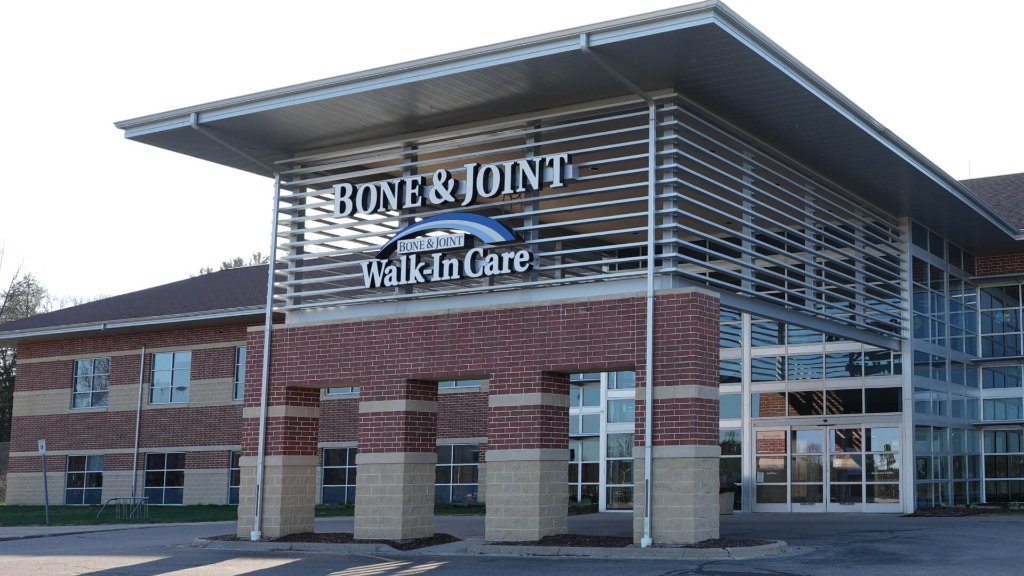
Bone & Joint Surgery Center
How we replaced a fragile multi-vendor network with one UniFi network across seven healthcare locations.
Read this case study on Ubiquiti’s site(opens in a new tab)Background
Background
Bone & Joint is an orthopedic and surgery provider in Central Wisconsin, serving thousands of patients a year across seven locations. Orthopedic surgery, physical therapy, walk-in care and rehabilitation all depend on the network, and when it goes down, patient care is disrupted.
For years, Bone & Joint ran FortiGate firewalls with Aruba switches and access points, stitched together across locations and routed through a single ISP over Layer 2 circuits. It worked, but it was fragile: documentation was sparse, troubleshooting was reactive, and every component added a point of failure.
Their IT leadership knew the environment had outgrown its design. They needed a partner who would take the time to understand and document what they had before designing its replacement.
The challenge
The challenge
Bone & Joint's network had several compounding issues that made day-to-day management difficult and long-term growth risky:
Single points of failure everywhere
All seven locations depended on Layer 2 circuits from a single ISP, with traffic funneling through the Rib Mountain data center. If that hub went down, every site felt it.
Multi-vendor complexity
Managing FortiGate firewalls alongside Aruba switches and APs meant multiple management consoles, inconsistent configurations and slow troubleshooting.
Poor documentation
The existing infrastructure had been built over time without consistent documentation. When something broke, the IT team was often reverse-engineering the environment just to identify the problem.
Rising costs with limited return
Between recurring licensing fees and the overhead of maintaining disparate systems, Bone & Joint was paying enterprise prices without getting enterprise reliability.
What we did
What Unified IT did
Discovery & pre-documentation
Before designing anything, we worked alongside Bone & Joint's IT team to audit and document the existing environment: every connection, every VLAN and every firewall rule, cataloged and mapped.
This was the hardest part of the project. The legacy network had grown over years with little documentation. Our engineers worked through it and produced as-built documentation that gave Bone & Joint's team a clear picture of their own network, for many of them the first.
That documentation took longer than designing the new system, and it made the rest of the project possible.
"You can't build something better until you fully understand what's already there."
— Unified IT Engineering Team
Network design
With the existing environment mapped, we designed a new network built entirely on UniFi, with three goals: remove single points of failure, simplify management and cut cost.
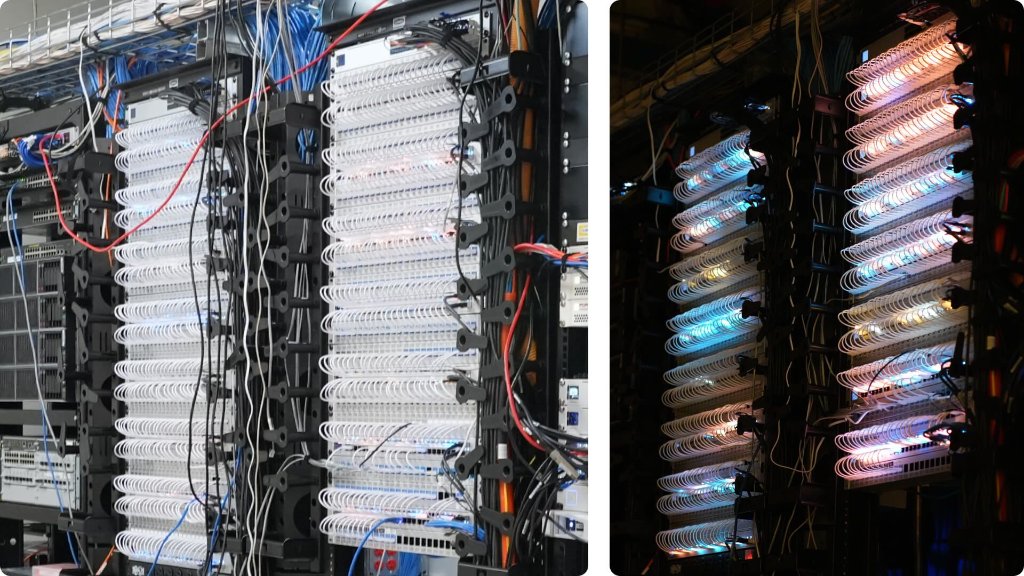
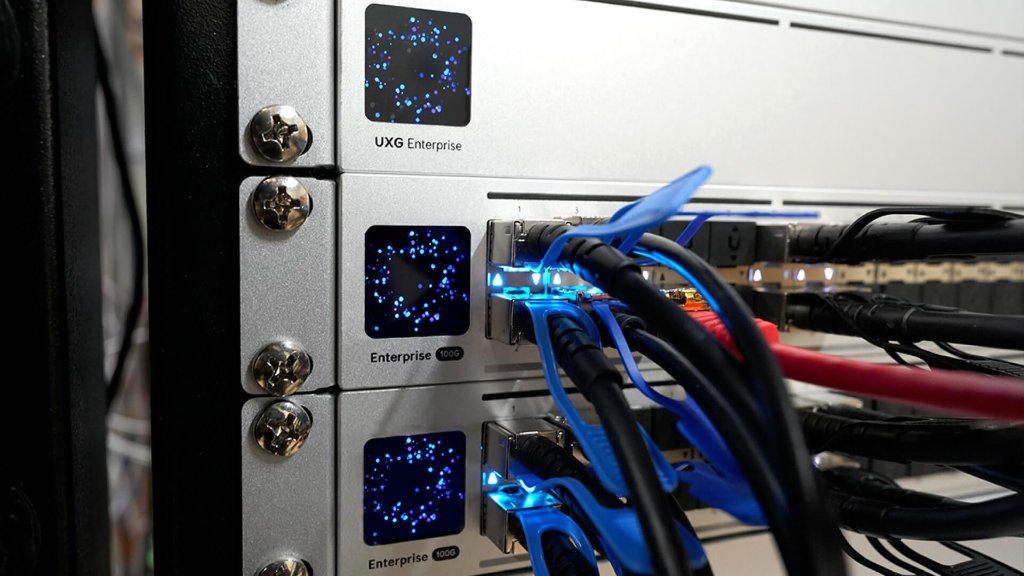
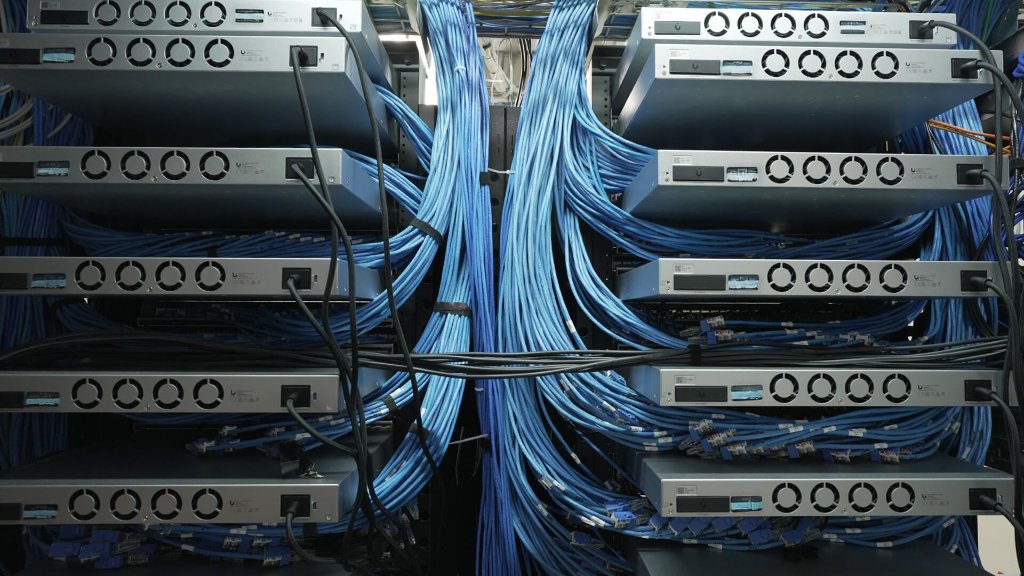
At Rib Mountain (the flagship hub)
- Redundant UXG Enterprise gateways for high-throughput routing and firewall management, positioned as the future SD-WAN hub for all locations
- MC-LAG core using dual UniFi ECS Aggregation switches, eliminating single points of failure at the network core
- Top-of-rack aggregation with UniFi Pro Aggregation switches for scalable, organized connectivity
- Fifteen UniFi Pro48 PoE MAX switches across the MDF and IDFs, serving clinical endpoints, VoIP phones, printers and other critical devices
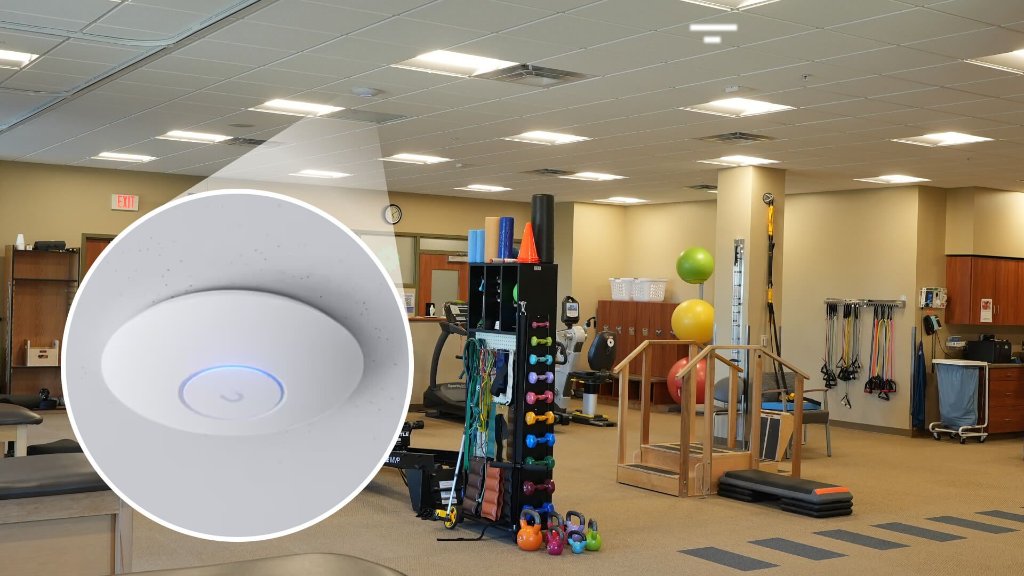
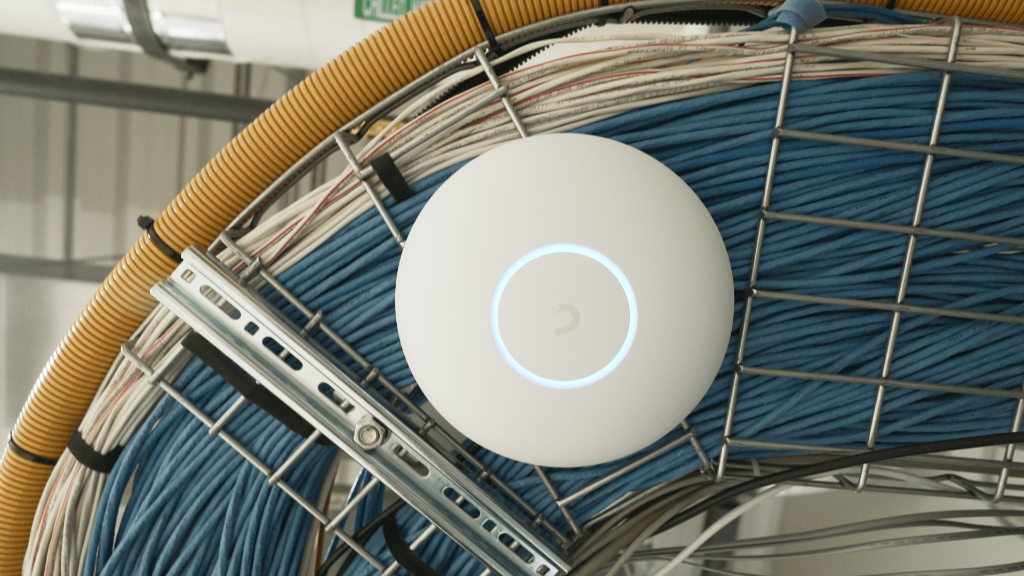
- UniFi U7 Pro MAX access points replacing legacy Aruba units, covering the entire facility
Across all seven locations
- One management platform to monitor, configure and troubleshoot every device at every site
- An SD-WAN strategy (UniFi Site Magic) that frees Bone & Joint from single-ISP dependency, enabling diverse connectivity options including fiber, cellular, and Starlink
- Local internet breakout at each site, so general traffic no longer routes through Rib Mountain and remote locations keep working if the hub goes down
Staging & burn-in testing
Every piece of hardware was staged and tested off site before it reached a Bone & Joint facility. Burn-in testing caught bad SFPs, firmware conflicts and configuration mismatches before they could surface during a live cutover.
Deployment
The Rib Mountain cutover was the critical step. It is Bone & Joint's busiest facility and the data center for all seven locations, so the work had to fit inside one weekend.
Deployment began at 7 PM on a Friday, after the last patient left. The deadline: 6 AM Monday morning, before the first patient arrived. Unified IT had an engineer on-site and a team supporting remotely. Bone & Joint's Network Administrator, Devin Jacobs, was on-site alongside their IT Director, working in lockstep with the Unified IT team.
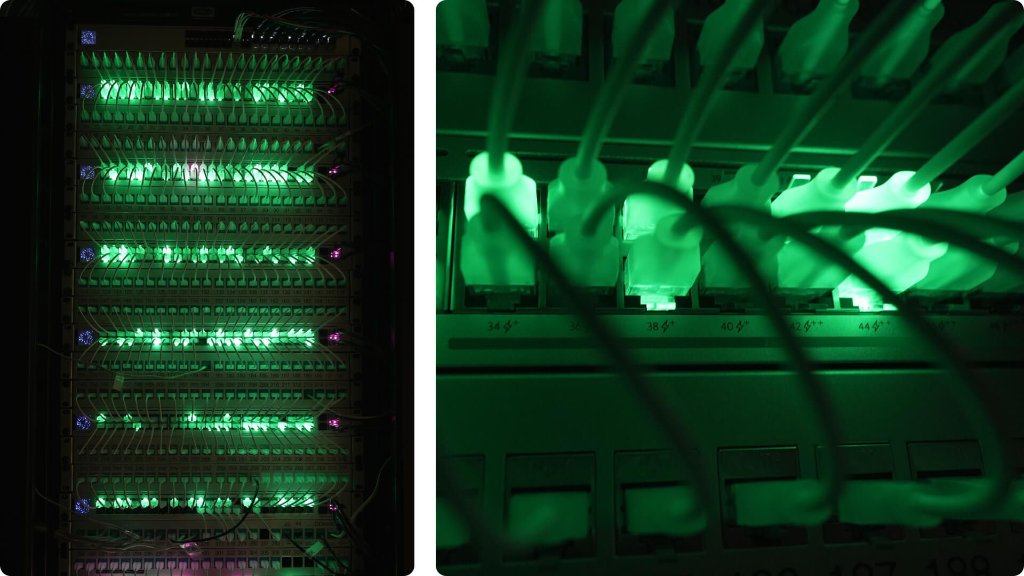
Over the weekend, the team updated patch panels, replaced every switch, re-terminated and reconnected hundreds of cables, and brought the new infrastructure online rack by rack. One faulty SFP was found and replaced on the spot. By Monday morning the network was live and stable.
The first patients on Monday arrived to a working network, and patient care was not disrupted.
SD-WAN
SD-WAN: the next phase
With the core infrastructure in place, Bone & Joint is now positioned to roll out UniFi's SD-WAN technology (Site Magic) across all seven locations using a hub-and-spoke topology centered on Rib Mountain.
It changes how Bone & Joint connects its locations:
Cost efficiency
Traditional dedicated WAN circuits from a single provider are expensive and limited in availability. SD-WAN lets Bone & Joint choose competitively priced connections at each site without sacrificing reliability.
Diverse connectivity
Each site can use whatever is available locally (fiber, cellular or Starlink), with redundant VPN tunnels to fail over if one link drops.
Smarter traffic flow
Only the traffic that needs to reach Rib Mountain goes there. Everything else exits locally, reducing load on the hub and keeping remote sites independent if the central site ever goes offline.
Each remaining location will get UniFi gateways, switches and access points, so every site is on the same platform before SD-WAN is enabled network-wide.
Outcomes
The result
Bone & Joint now runs one network platform across all seven locations, documented and manageable by their own team.
- 80% reduction in network infrastructure costs compared to their previous multi-vendor environment
- No recurring licensing fees, a saving that grows every year
- HIPAA-aligned network infrastructure maintained throughout the entire migration, with no compliance gaps during the transition
- Eliminated single points of failure at the core, at the gateway, and across WAN connectivity
- One management interface for every device at every location, in place of the several consoles they had before
- A network their own team can manage, designed and documented so Bone & Joint's IT staff have full ownership and visibility
Why it matters
Why it matters
We replaced the whole infrastructure of a healthcare organization that could not afford downtime, and we documented what already existed before building its replacement.
We spent months documenting an environment that had been built over years. That discovery work is what let a seven-location healthcare network cut over in one weekend without trouble.
The network is simpler to manage, costs far less to run, and is ready for the SD-WAN rollout and new locations.
Bone & Joint's IT team now runs their own network, which was the goal from the start.
Continue reading
Explore more case studies
Projects across healthcare, finance, government and enterprise environments.
View All Case StudiesRead our articles
Frameworks, templates and notes from the engineers who build these networks.
All articlesTalk to a network engineer
Tell us about your environment, and an engineer will walk you through how we would approach it.
Talk to a Network Engineer